How Adult Dental Sealants Protect Your Teeth and Your Wallet
Can Dental Sealants Help Adults Prevent Cavities?
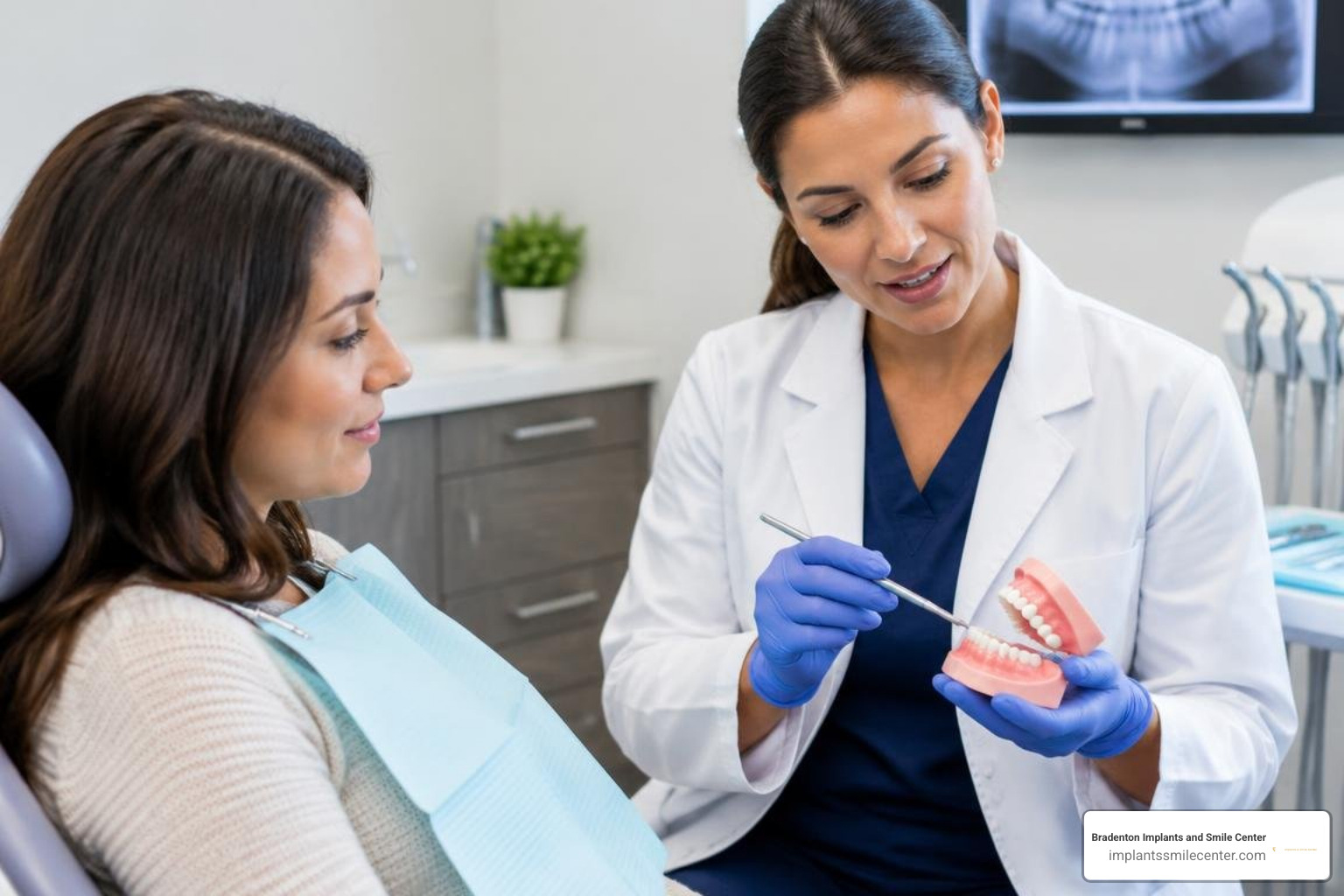
Yes. Dental sealants can protect adult molars, especially if you have deep grooves, a history of cavities, or early decay that has not formed a hole. A dentist applies a thin coating to the chewing surface to keep food and bacteria out of hard-to-clean grooves. Sealants may help you avoid a filling later, but they do not protect between teeth or along the gumline.
You can get sealants even if you never had them as a child. The best next step is to ask your dentist which molars would benefit and whether your insurance covers adult sealants.
I'm Dr. John Hegazin, owner of Bradenton Implants and Smile Center. I have more than eight years of experience providing patient-centered preventive care, including cavity prevention sealants adults can consider as part of a plan to keep their natural teeth healthy.
Understanding Cavity Prevention Sealants Adults Can Benefit From Today
Many people assume dental sealants belong exclusively in pediatric dental offices. However, preventive dental sealants for adults serve as a potent shield against tooth decay at any age, and cavity prevention sealants adults can benefit from are a practical part of that preventive strategy.
A dental sealant is a specialized medical-grade resin coating applied directly to the chewing surfaces of your back teeth (premolars and molars). Once bonded, this resin creates a durable, smooth physical barrier over the complex anatomical terrain of the tooth.
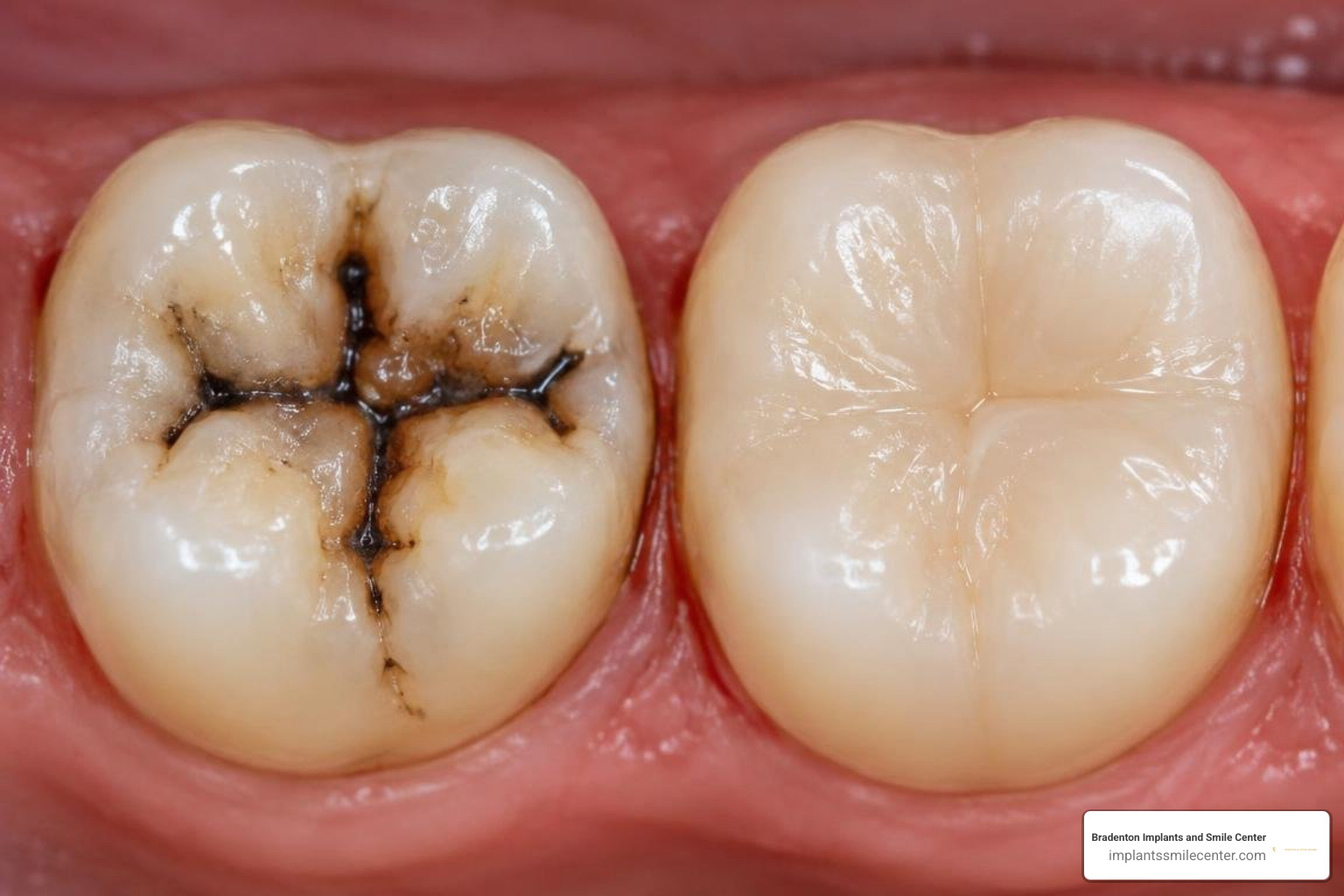
The primary reason molars are exceptionally vulnerable to decay is their occlusal anatomy. Chewing surfaces are full of microscopic pits and fissures—narrow grooves that can be narrower than a single bristle of your toothbrush. Even with meticulous brushing twice a day, food particles and bacteria collect inside these crevices, producing acids that slowly dissolve tooth enamel.
By flowing into these microscopic valleys and sealing them shut, sealants mechanically block oral bacteria and carbohydrates from settling into deep pits. Furthermore, extensive clinical evidence—such as a study on sealing permanent dentition—demonstrates that placing sealants over early, non-cavitated enamel decay deprives trapped bacteria of the nutrients they need, arresting the decay process before a physical hole forms.
How Sealants Protect Deep Pits and Fissures
When you eat, food debris naturally lodges into the pits and fissures of your molars. Plaque bacteria ferment these fermentable carbohydrates, producing acid as a metabolic byproduct. Over time, that acid demineralizes enamel, forming an occlusal cavity.
Sealants interrupt this chain reaction entirely:
Exclusion: They physically prevent food debris and sticky sugars from penetrating the fissures.
Starvation: Any microscopic bacteria that remain beneath the sealant are isolated from their dietary fuel source, rendering them dormant and harmless.
Smoothing: The chewing surface becomes smoother and far easier to clean thoroughly during regular brushing.
Feature | Pit & Fissure Sealant | Traditional Composite Filling |
|---|---|---|
Primary Goal | Prevention and early caries arrest | Restoring decayed, cavitated tooth structure |
Enamel Preparation | Zero drilling; surface conditioning only | Mechanical drilling to remove decayed tissue |
Procedure Discomfort | Completely painless, no local anesthesia | Typically requires local anesthetic injections |
Average Placement Time | 5 to 10 minutes per tooth | 20 to 45 minutes per tooth |
Typical Lifespan | 2 to 5+ years (easily touched up) | 7 to 10+ years (requires re-drilling to replace) |
Relative Cost | Minimal preventive investment | Moderate to high restorative expense |
The Difference Between Sealants and Restorative Fillings
Understanding the distinction between sealants and fillings is key to evaluating your oral care options. A filling is a restorative treatment designed to repair permanent structural damage after bacterial decay has broken through the enamel and compromised the underlying dentin. To place a filling, your dentist must administer local anesthesia and use a dental drill to remove damaged enamel and infected tooth tissue before rebuilding the tooth with composite resin.
In contrast, a sealant is a non-invasive, conservative preventive measure. No natural tooth structure is drilled away or permanently altered. If you want to dive deeper into how restorative procedures work when structural decay has already set in, explore our guide to dental fillings. When we catch early demineralization in its initial stages, applying a sealant stops the lesion from progressing, completely sparing you the need for a drill or a traditional restoration.
Who Is the Ideal Candidate for Adult Dental Sealants?
Contrary to popular belief, cavity risk does not disappear when you turn 18. In fact, adult lifestyle factors often increase vulnerability to dental decay. Dietary shifts, frequent coffee or soda consumption, high-stress schedules, and changes in saliva production can quickly elevate your risk profile.
When evaluating adults at our Bradenton office, we look at several clinical markers to determine whether adult tooth sealants are a good fit for you:
Deep, Unrestored Molar Grooves: Adults with naturally steep fissure anatomy who have managed to keep those teeth free of large restorations.
Recent History of Cavities: If you have required a new filling within the past three years, your oral environment is actively susceptible to cariogenic bacteria.
Incipient Demineralization: Patients presenting with non-cavitated "white spot" lesions or early staining along the occlusal grooves.
Orthodontic Treatment: Clear aligners or traditional braces can alter oral clearance rates, making preventive coatings highly beneficial.
Dietary Factors: Adults who frequently sip acidic or sugary beverages throughout the day.
Clinical Indications for Cavity Prevention Sealants Adults with High Risk Need
From a clinical standpoint, dentists use standardized criteria—such as the International Caries Detection and Assessment System (ICDAS)—to assess enamel integrity. The AAPD clinical practice guidelines for pit-and-fissure sealants emphasize that sealing sound pits and fissures, as well as initial non-cavitated lesions, reduces the risk of caries progression by over 70% compared to non-treatment.
When an adult patient presents with initial enamel demineralization (ICDAS stages 1 or 2) where the surface remains mechanically intact without cavitation, sealing the fissure is an evidence-based method to stop the decay cycle. By sealing out intraoral substrates, you protect the tooth conservatively while avoiding surgical intervention.
Special Considerations for Seniors and Adults with Dry Mouth
Saliva is your mouth's natural defense mechanism. It neutralizes bacterial acids, washes away loose food particles, and delivers calcium and phosphate to remineralize enamel continuously. Unfortunately, hundreds of common prescription and over-the-counter medications—including blood pressure drugs, antidepressants, and antihistamines—cause xerostomia (dry mouth).
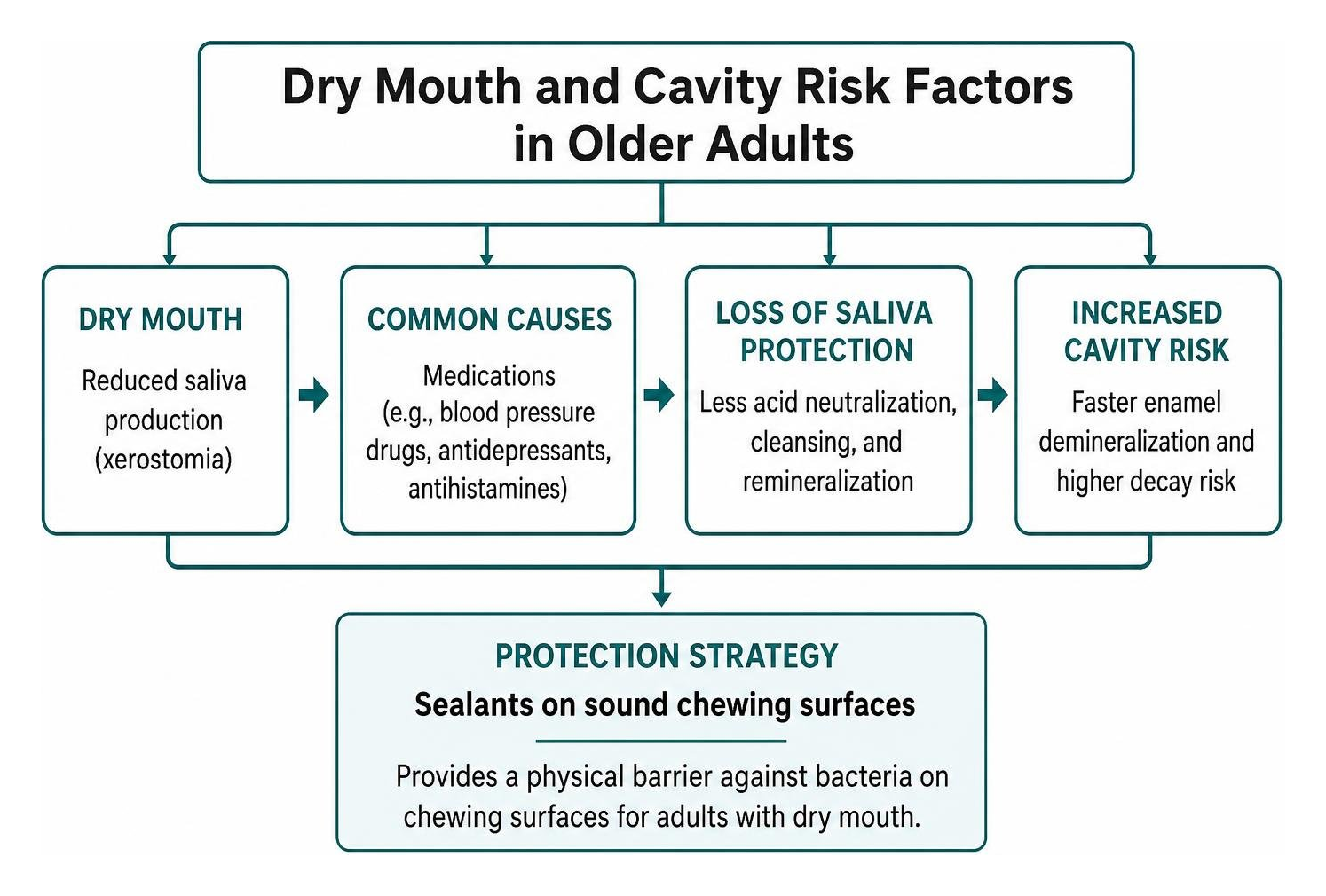
Without adequate salivary flow, the rate of tooth demineralization accelerates rapidly. For older adults managing chronic dry mouth, sealants for seniors offer an indispensable layer of physical protection. While seniors also face root surface exposure from receding gums, placing sealants on sound occlusal surfaces ensures that chewing surfaces remain protected against aggressive bacterial biofilms.
Comparing Sealant Materials: Bioactive vs. Traditional Fluoride Formulations
Not all sealant materials function the same way. In modern dentistry, sealant formulations have evolved from simple passive physical barriers into active therapeutic agents that aid in tooth preservation.
The primary categories of sealant materials include:
Traditional Resin-Based Sealants: Highly durable, hydrophobic resins that bond tenaciously to etched enamel surfaces, providing long-lasting mechanical protection under heavy chewing forces.
Fluoride-Releasing Sealants: Resin or glass ionomer formulas designed to release fluoride ions gradually into surrounding enamel to promote surface hardness.
Bioactive Sealants: Modern resin-based materials enriched with SmartCap microcapsules or bioactive glass (calcium, sodium silicate, and fluorapatite). These materials actively exchange ions with saliva to remineralize demineralized enamel at the margin of the restoration.
Evaluating Retention and Remineralization for Cavity Prevention Sealants Adults Use
Recent clinical trials have highlighted the advantages of bioactive materials over standard formulations in adult patients. In a landmark 24-month clinical trial on bioactive sealant efficacy (Abdelsalam & Shaalan, 2025), researchers evaluated adults presenting with non-cavitated occlusal lesions:
Bioactive Fissure Sealants: Demonstrated a 93.75% success rate after 24 months.
Fluoride-Releasing Sealants: Demonstrated a 65.62% success rate over the same timeframe.
Failure Risk Reduction: The bioactive sealant showed an 82% lower risk of failure compared to the fluoride-releasing alternative.
The same trial revealed an interesting anatomical factor: maxillary (upper) molars showed 10.8 times higher odds of sealant failure compared to mandibular (lower) molars, largely due to differences in moisture control and visual accessibility during placement.
Furthermore, laboratory research on bioactive glass sealants reveals that incorporating fluorapatite bioactive glass significantly decreases marginal microleakage without compromising the material's microshear bond strength (maintaining an effective bond strength around 21.75 MPa). This ion-releasing capability creates a protective seal that resists secondary marginal decay even in challenging oral environments.
What to Expect During the Painless Application Procedure
Getting dental sealants placed is one of the easiest, fastest, and most comfortable appointments in modern dentistry. Because the process does not require cutting away healthy tooth structure, no needles, drills, or numbing agents are necessary.
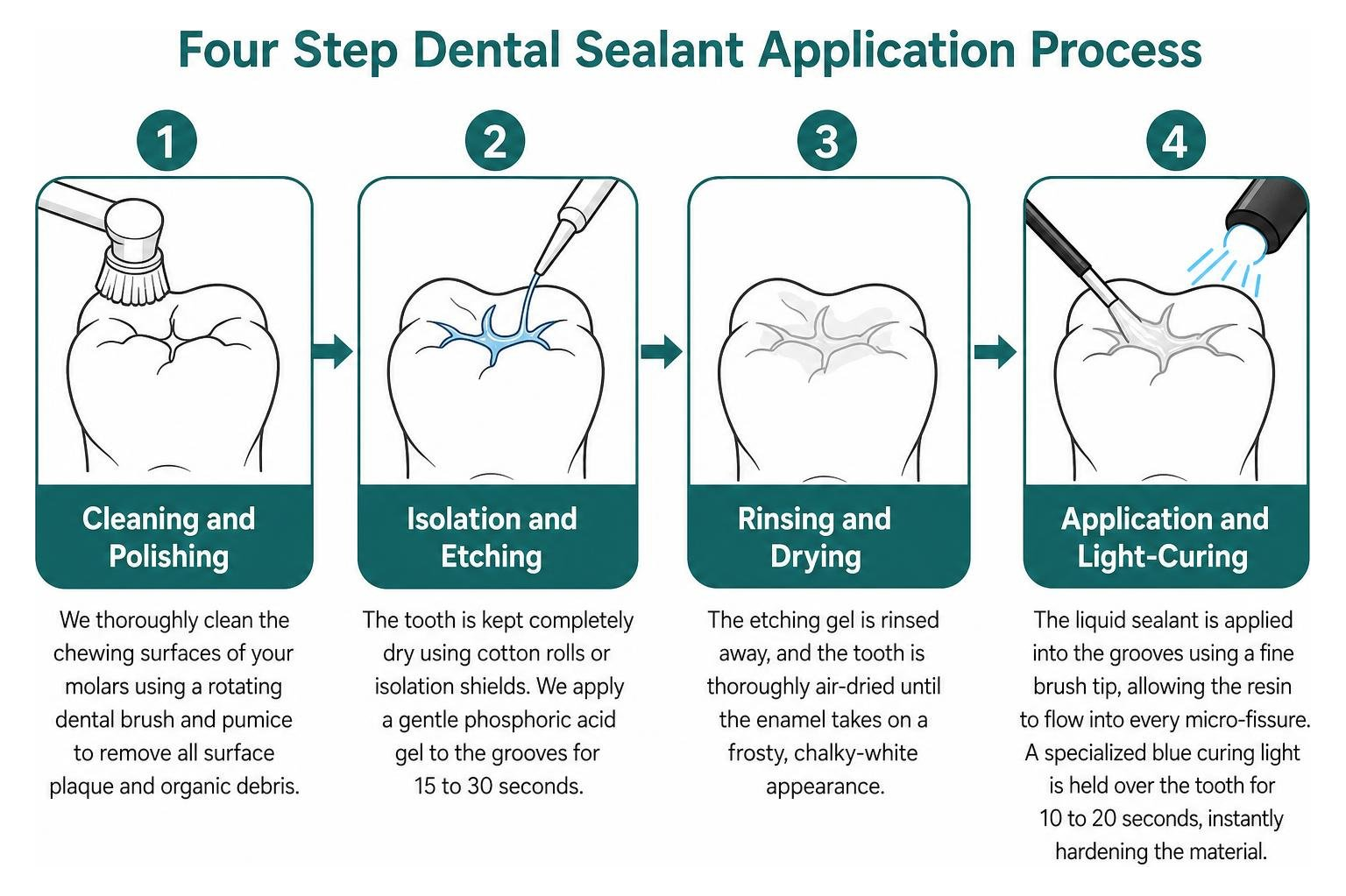
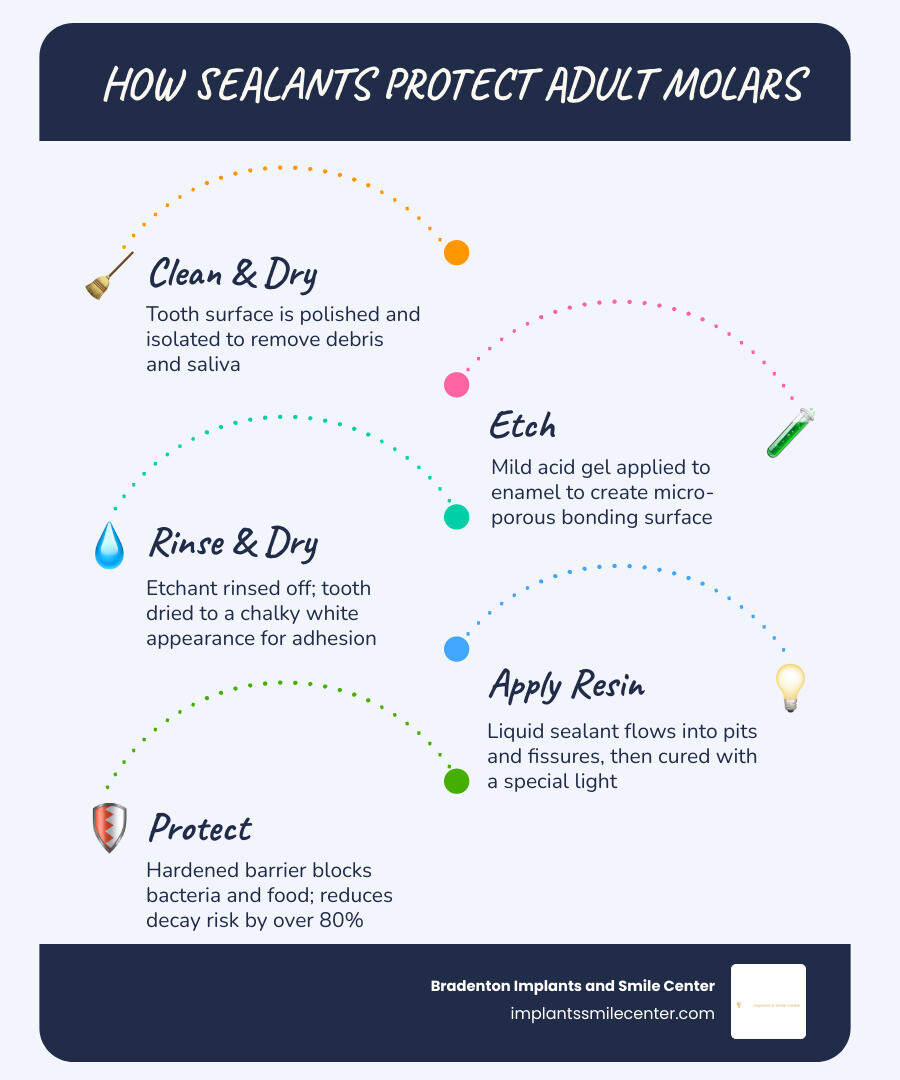
Cleaning and Polishing: We thoroughly clean the chewing surfaces of your molars using a rotating dental brush and pumice to remove all surface plaque and organic debris.
Isolation and Etching: The tooth is kept completely dry using cotton rolls or isolation shields. We apply a gentle phosphoric acid gel to the grooves for 15 to 30 seconds. This creates microscopic surface porosities that allow the sealant to form a micromechanical bond with your enamel.
Rinsing and Drying: The etching gel is rinsed away, and the tooth is thoroughly air-dried until the enamel takes on a frosty, chalky-white appearance.
Application and Light-Curing: The liquid sealant is applied into the grooves using a fine brush tip, allowing the resin to flow into every micro-fissure. A specialized blue curing light is held over the tooth for 10 to 20 seconds, instantly hardening the material.
Bite Verification: We check your occlusion (bite) with articulating paper to make sure your teeth meet comfortably, polishing any excess resin in seconds.
Long-Term Cost Savings, Longevity, and Comprehensive Prevention
Preventive dental care delivers an exceptional return on investment. While a dental sealant costs a modest out-of-pocket fee per tooth, a single filling can cost significantly more. If an untreated cavity penetrates deeply into the nerve, a root canal and porcelain crown can run into thousands of dollars. Investing in preventive sealants helps you avoid that restorative cycle entirely.
Adult Insurance Realities
Many dental insurance plans have age caps on sealant coverage (frequently terminating coverage between ages 14 and 18). However, because sealants are relatively inexpensive, paying out-of-pocket for adult molars remains one of the most cost-effective investments you can make in your oral health.
How Sealants Fit into Your Total Preventive Routine
Sealants protect only the biting surfaces of your teeth. To maintain total oral health, they must work in tandem with comprehensive preventive habits:
Professional Hygiene: Pair your sealants with regular visits outlined in our routine dental cleaning guide to remove calculus from unsealed surfaces.
Daily Flossing: Clean the tight contact points between teeth where sealants cannot reach.
Fluoride Toothpaste: Strengthen smooth buccal and lingual enamel surfaces with daily brushing.
Routine Sealant Maintenance: During each biannual checkup, your dentist will inspect your sealants for wear or chipping. Minor touch-ups can be completed in minutes without redoing the entire restoration.
Frequently Asked Questions About Adult Dental Sealants
Can sealants be placed over an existing cavity in an adult tooth?
Sealants can be placed over early, non-cavitated enamel lesions (initial demineralization where the outer enamel surface is still structurally sound). Sealing these spots starves the underlying bacteria of oxygen and nutrients, halting decay. However, if the decay has progressed through the enamel into the dentin layer or created a physical hole, a restorative filling is required.
How long do adult dental sealants typically last before needing a touch-up?
In adults, high-quality sealants typically last between 2 to 5 years under normal chewing forces. Adults who clench or grind their teeth (bruxism) may experience faster wear. At your regular six-month examinations, we check the margins of your sealants and can easily bond fresh resin to any areas showing minor wear.
What areas of the tooth do sealants NOT protect?
Dental sealants protect only the anatomical pits and fissures on the chewing surfaces of molars and premolars. They do not protect the interproximal spaces (the contact points between adjacent teeth) or the smooth surfaces along the gumline. Daily flossing, interdental brushing, and regular fluoride exposure remain essential for comprehensive protection.
Conclusion
Protecting your natural teeth throughout adulthood does not have to be complicated or expensive. By creating a physical and bioactive barrier against plaque and dietary acids, adult dental sealants represent a proven, conservative approach to maintaining lifelong oral health while avoiding costly restorative treatments down the road.
If you are an adult with deep molar grooves, a recent history of cavities, or persistent dry mouth, schedule a comprehensive preventive evaluation at Bradenton Implants & Smile Center at our Bradenton, FL office. We are dedicated to providing personalized, compassionate care with modern dental techniques to help keep your smile healthy and confident for years to come.